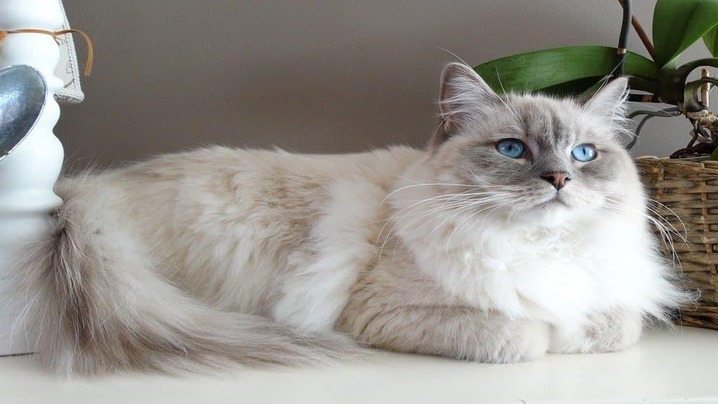
Cat-breed popularity is not a universal fact. Registration totals cover pedigreed cats in a particular organization, shelter populations are mostly not represented, and rankings change by country and year. A better guide introduces widely recognized breeds while helping prospective guardians evaluate care, health, and individual temperament.
1. Ragdoll
Ragdolls are large, semi-longhaired cats often described by breed organizations as relaxed and people-oriented. Their coat needs routine combing, and size affects food, carriers, litter boxes, and handling. Responsible breeders should discuss screening for inherited heart disease found in some lines.
2. Maine Coon
The Maine Coon combines a substantial frame with a shaggy coat and tufted appearance. Many are social and playful, but a breed description cannot predict every cat’s personality. Ask about cardiac and orthopedic health screening, and budget time for grooming.
3. Persian
Persians are known for long coats and a quiet demeanor. Daily grooming may be needed. Extremely flat facial structure can be associated with breathing, eye, dental, and heat-tolerance problems, so appearance should never outrank welfare. Seek moderate features and transparent veterinary records.
4. British Shorthair
These stocky cats have dense coats and are often less demanding of constant activity than some breeds. They still need play, weight management, scratching opportunities, and companionship on their own terms. Dense coat does not mean maintenance-free, especially during shedding.
5. Siamese
Siamese cats are typically vocal, active, and highly engaged with their environment. Someone who wants a quiet, independent pet may find that intensity challenging. Interactive play, climbing spaces, and regular social contact are important outlets.
6. Bengal
Bengals descend from a breeding program involving domestic cats and Asian leopard cats, though recognized generations are domestic companion animals. Many are athletic and curious. Prospective homes should plan for substantial enrichment and verify local rules, generation status, and health testing.
7. Sphynx
Lack of a typical fur coat does not make a Sphynx hypoallergenic. Allergens are also found in saliva and skin secretions. Skin and ears need regular care, and these cats require protection from temperature extremes and sun exposure.
8. Abyssinian
Abyssinians are slender, agile cats often associated with high activity and exploration. Tall climbing structures, food puzzles, and daily play can help. A household seeking a lap cat should meet the individual rather than rely on a generalized label.
9. Scottish Fold
The folded ears result from a cartilage-affecting mutation that can also cause painful skeletal disease. This is a serious welfare issue, not merely a cosmetic trait. Some veterinary and animal-welfare authorities oppose breeding cats for the fold. Buyers should understand the health implications before creating demand.
10. Domestic shorthair and mixed-breed cats
Not a single pedigree breed, domestic shorthairs represent a huge share of companion cats. Shelters offer individuals with many sizes, colors, ages, and personalities. An adult cat’s established behavior may be easier to assess than a kitten’s eventual temperament.
Questions to ask before adopting or buying
- Does this individual’s energy and sociability fit the household?
- Can everyone commit to grooming, veterinary care, enrichment, and indoor safety?
- Has a breeder supplied documented, breed-relevant health testing and a written agreement?
- Were kittens raised in a clean, social environment and kept with their mother long enough?
- Could a shelter or breed rescue provide the right match?
TICA advises meeting breeds, learning their special needs, and considering shelter adoption. The AVMA likewise recommends evaluating allergies, behavior, lifelong cost, and veterinary needs. Popularity may start someone’s search, but health, welfare, and a good individual match should finish it.
Sources: The International Cat Association; TICA responsible selection guide; American Veterinary Medical Association; Universities Federation for Animal Welfare.
Found an error? Request a correction · Our corrections policy